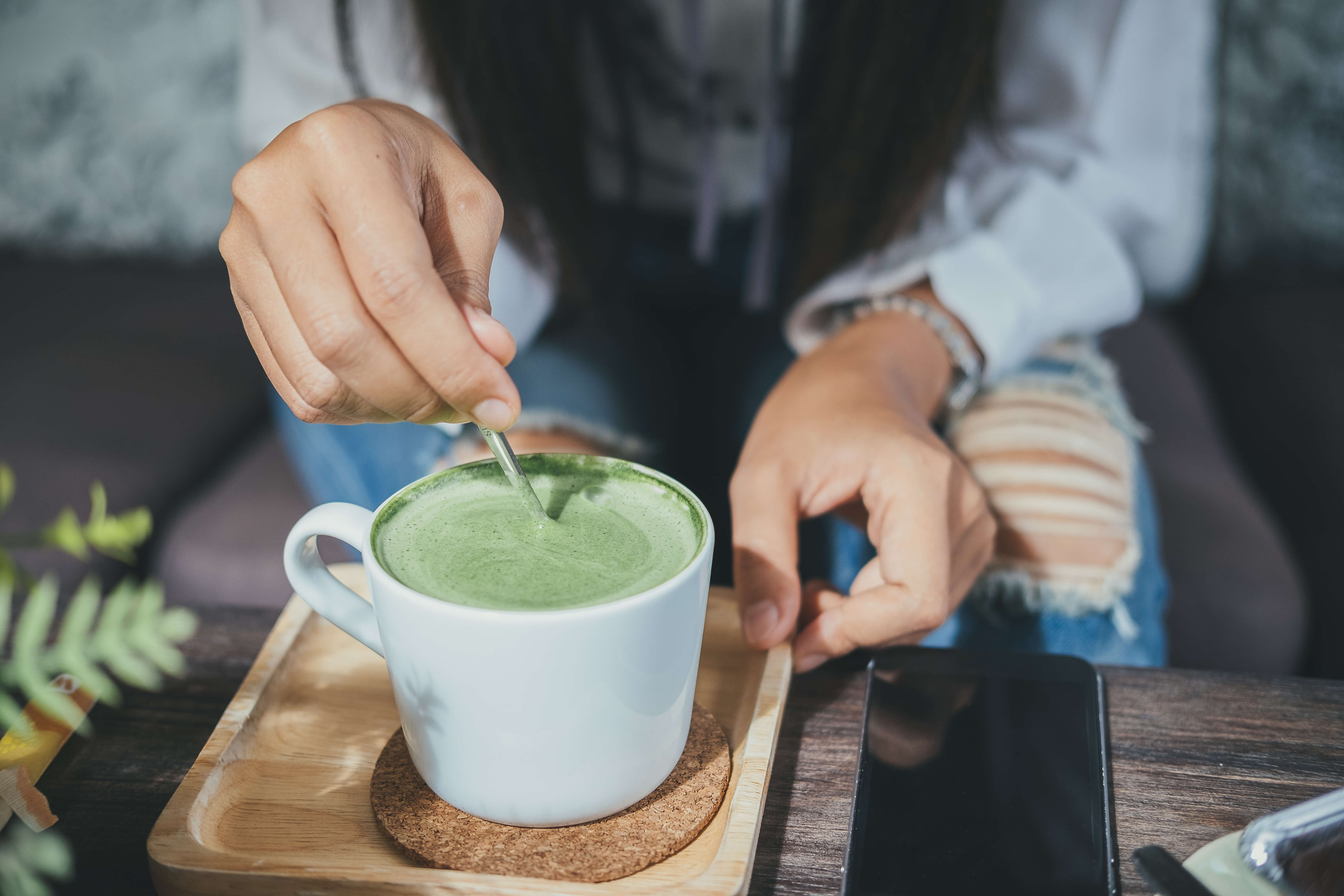
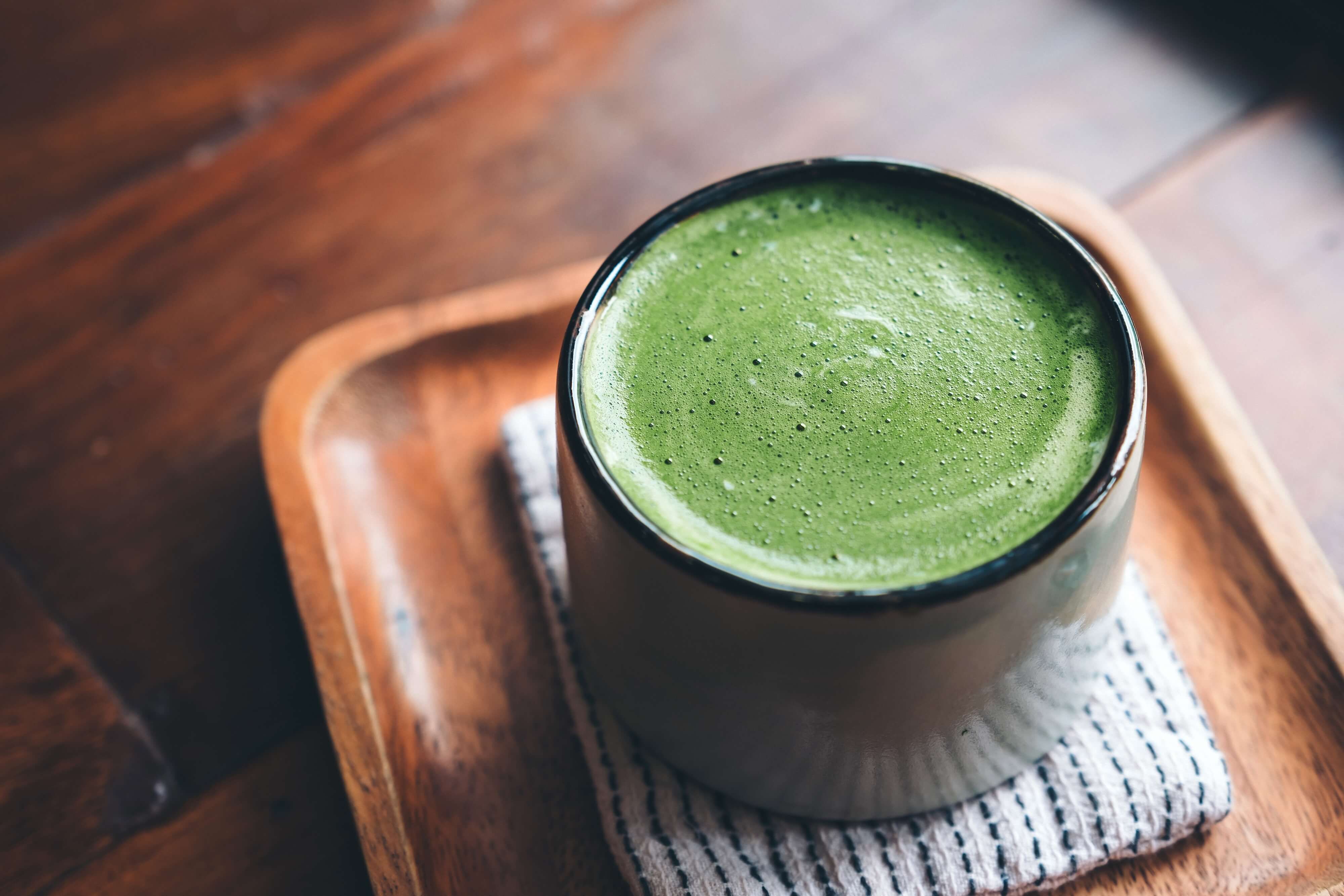
For those of us who love the familiar boost of coffee but hate the caffeine jitters and post-java crash, matcha is the energizing alternative you've been waiting for. Yes, both coffee and matcha contain caffeine, but there are some critical differences between the two that characterize their individual effects.
First off, on a cup-by-cup basis, matcha naturally contains slightly less caffeine than its coffee counterpart. A standard cup of matcha contains around 38 to 176mg of caffeine, compared to the 100–200mg in a cup of coffee.
Secondly, and more importantly, it contains
L-theanine, an amino acid. This unassuming natural compound is abundant in matcha, and research suggests it
increases alpha brain waves, which are tied to
relaxation and focused attention. Additional preliminary studies also associate L-theanine with
stress support and improved sleep.
But frankly, despite all these benefits, most people enjoy matcha because L-theanine smooths out the edges of caffeine, resulting in longer-lasting, balanced effects. This calm, sustained energy is why matcha has such a strong reputation for enhancing focus without jittery side effects, anxiety, or a crash-out.
Matcha Is an Antioxidant Powerhouse
Matcha is an alternative source of focused energy and also comes packed with a ton of supplemental benefits, like its powerful antioxidants, that accompany each cup free of charge.
For years, researchers have known that green tea, especially matcha, contains a compound called epigallocatechin gallate (a.k.a. EGCG).
EGCG has been shown to have
potent direct and indirect antioxidant action, scavenging reactive enzymes and neutralizing free radicals. There is also new and exciting research exploring how EGCG could
support anti-tumor activity as well as protective effects on the heart, brain, and cellular health.
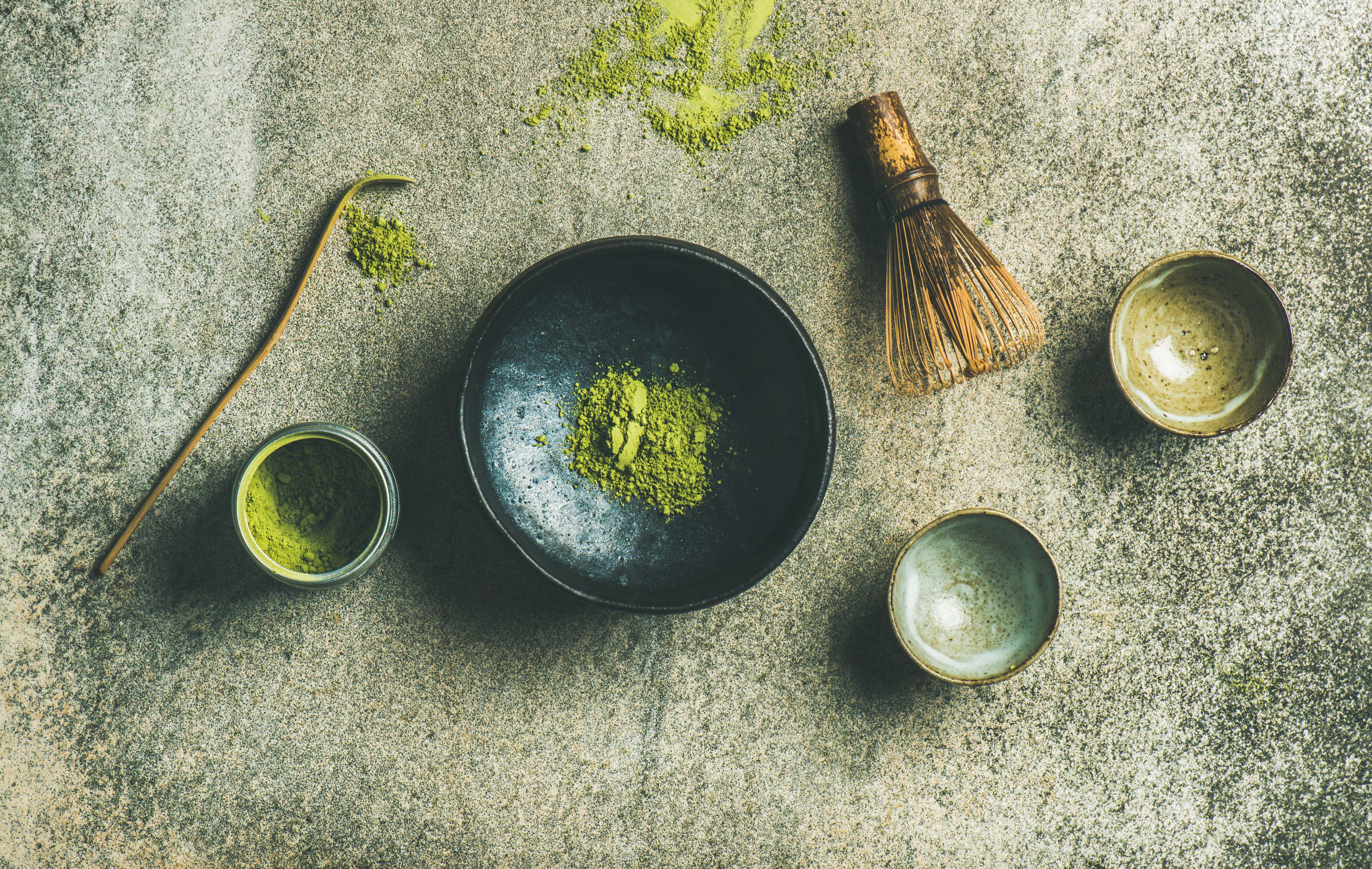
Matcha is especially rich in this compound because you consume the whole leaf, which has been ground and whisked into each drink. As a reminder, with traditional tea, you only consume the steeping liquid. All of which is to say, matcha is one of the richest dietary sources of EGCG.
But EGCG isn't the only antioxidant found in matcha. This ancient green tea contains a colorful rainbow of beneficial compounds, including
flavonoids, quercetin, and theaflavins.
All of these mighty antioxidant plant compounds can make up a
third of the tea leaf's dry weight, making this unassuming green drink just as potent as heavy hitters like vitamins C and E.
Beyond the Teacup (and into Skincare)
A decade ago, you'd have been hard-pressed to find matcha on any cafe menu, but today it's everywhere, from matcha oat milk lattes to trendy new candy bar varieties and even matcha-infused skincare.
That's right — the benefits of this ancient green tea ceremony are traveling far beyond the traditional soothing warmth of this green elixir and into your skincare routine.
The same powerful antioxidants, like EGCG and chlorophyll (the vibrant green compound responsible for matcha's color), are also being tapped for their skin-loving benefits.
These compounds have been shown to calm inflammation, reduce redness, and protect against environmental stressors like free radicals. Plus, additional studies suggest that matcha-infused skincare supports skin hydration and moisture retention and slows the appearance of wrinkles.
From supporting your mind with jitter-free energy to internal antioxidant power and its newly discovered skin-protective qualities, matcha continues to prove why it's more than just a novel latte flavor.
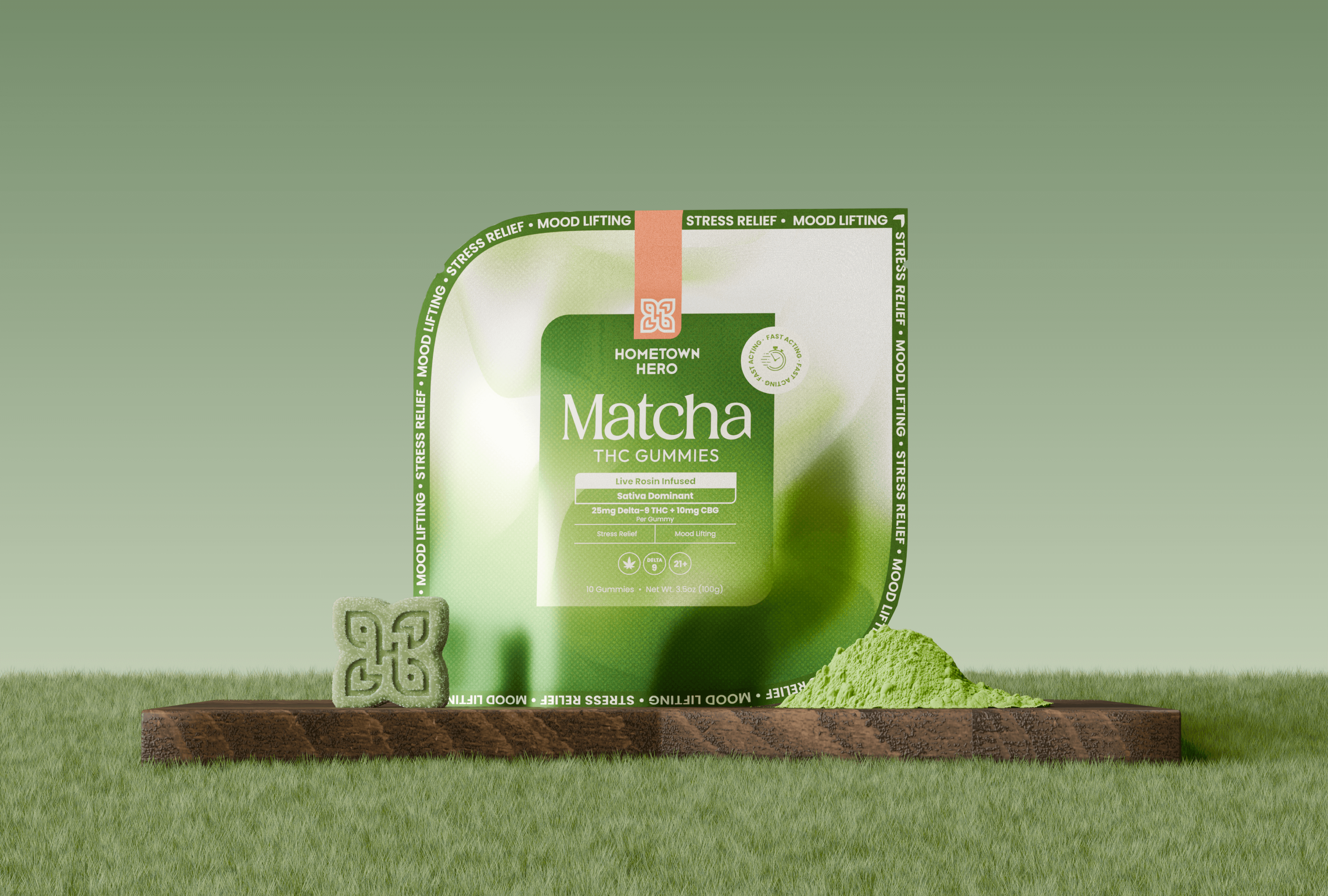
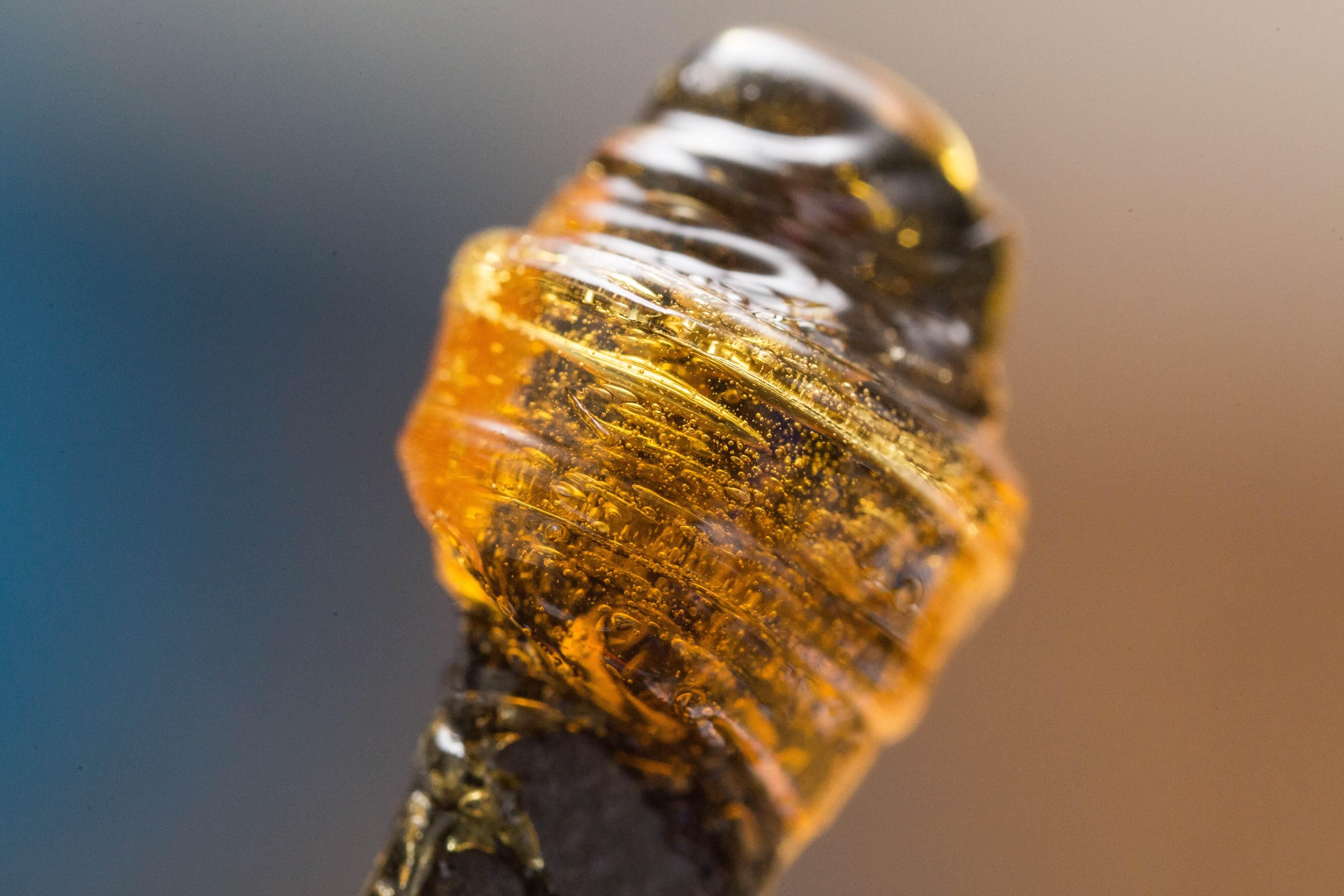
Tap into Matcha's Power with Live Rosin Gummies


.png?w=50&q=100)





 indica
 sativa