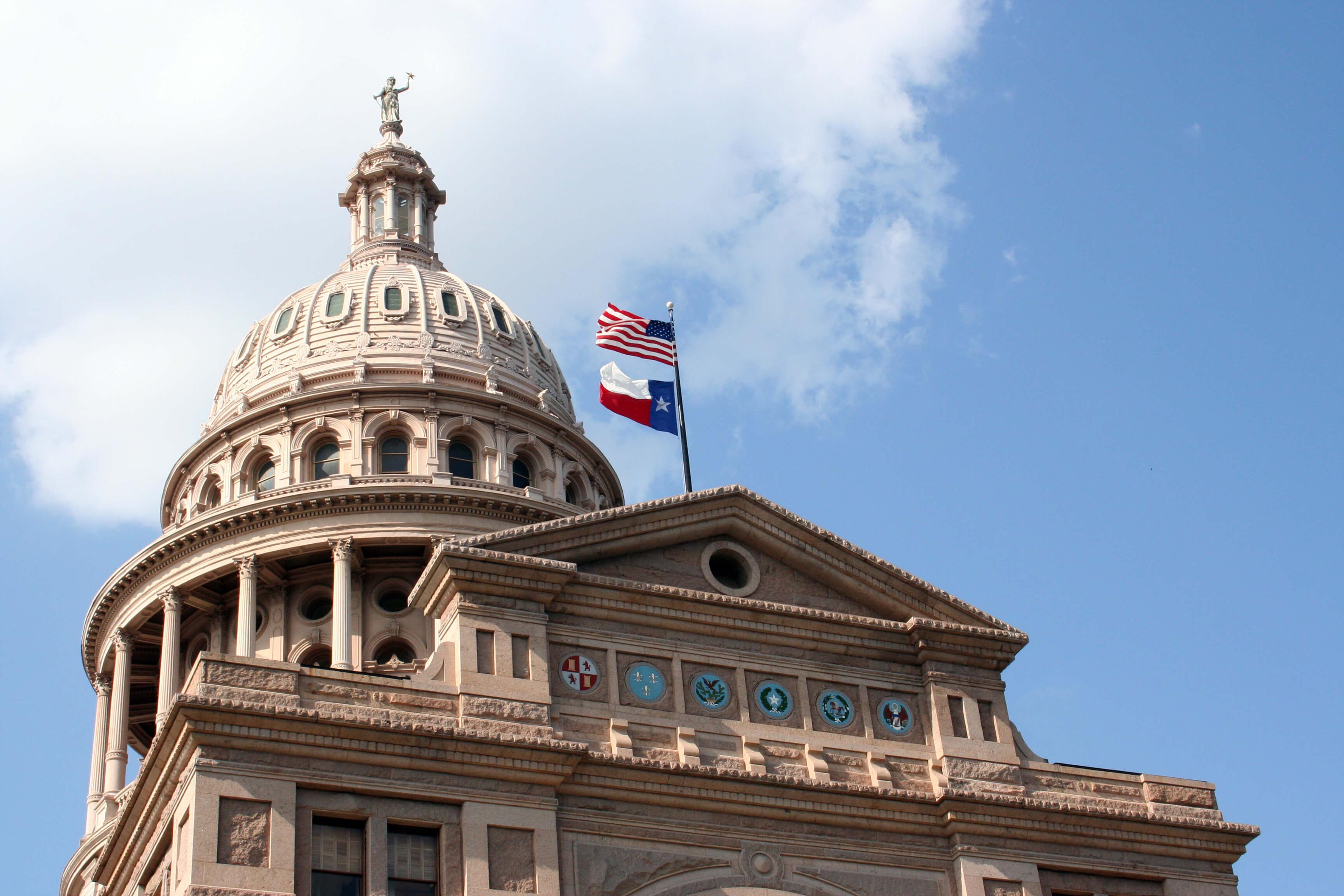
Starting March 31, 2026, new Texas DSHS rules will impose higher licensing fees, include THCA in total THC calculations, and enforce updated testing, labeling, and packaging standards, primarily impacting hemp businesses.
For Texas consumers, the rules will require purchasers to be 21+, mandate valid ID for buying hemp products, phase out THCA flower, and introduce changes in packaging and testing standards.
These regulatory changes in Texas, as one of the largest hemp markets, may influence hemp regulations and industry standards in other states across the U.S., potentially causing broader national impacts.
New rules from the Texas Department of State Health Services (DSHS) are set to take effect on March 31, 2026, and will impact how hemp is tested, labeled, sold, and regulated across the state.
While the main discussion on these changes is focused on business, some of these changes will impact consumers, such as:
Product availability
Purchasing requirements
The overall hemp market
So whether you live here in Texas or a different state, read below to find out how the new DSHS changes can impact you.
Texas Hemp Industry: DSHS Rules Under Scrutiny
Check out the complete breakdown of the new rules with Hometown Hero CEO Lukas Gilkey and Chief Strategy Officer Cynthia Cabrera.
What this Means for Hemp Businesses
As stated earlier, the brunt of these changes will be felt within the hemp industry and directly on consumers.
Some of these changes will include significant increases in licensing and registration fees and new rules:
Manufacturing will be $10,000 per year per facility
Retail will be $5,000 per year per location
THCA is now included in the total THC calculations
Revised testing standards
Updated packaging, labeling, and inspection requirements
Overall, 1,400 public comments were made during the rulemaking process, and while there were some adjustments, some of the less favorable changes made it into the final set of rules.
If you do own a hemp business in Texas, we emphasize that you watch the video with Lukas and Cynthia above.
Now, let’s cover what these changes mean for consumers in the Lone Star State.
What it Means for Consumers in Texas
Generally speaking, if you’re a hemp enthusiast in Texas, here’s what the DSHS changes mean for you:
Purchases are officially limited to 21+
You need to present a valid government-issued ID to purchase hemp products
THCA flower is going away
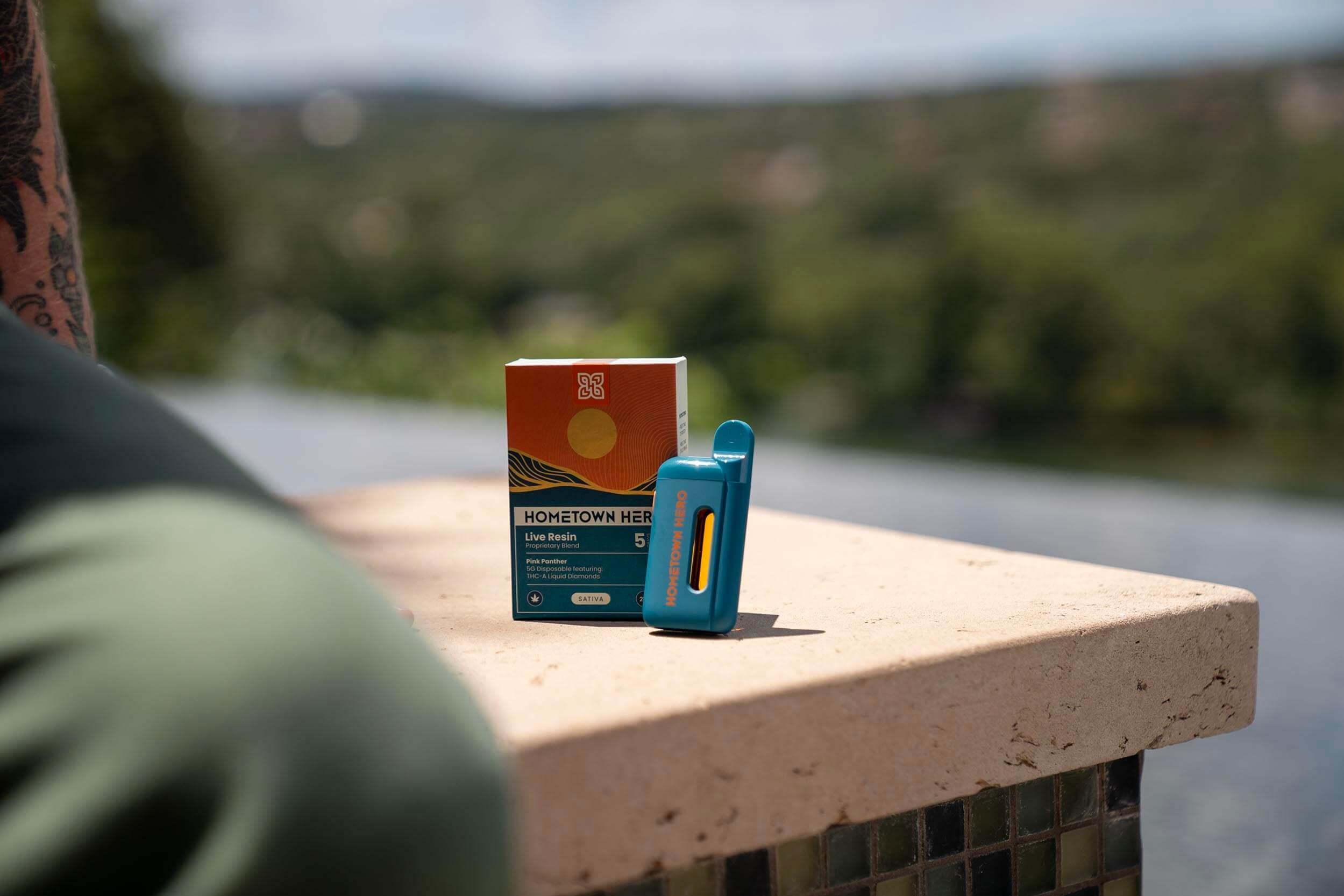
You may notice changes in packaging
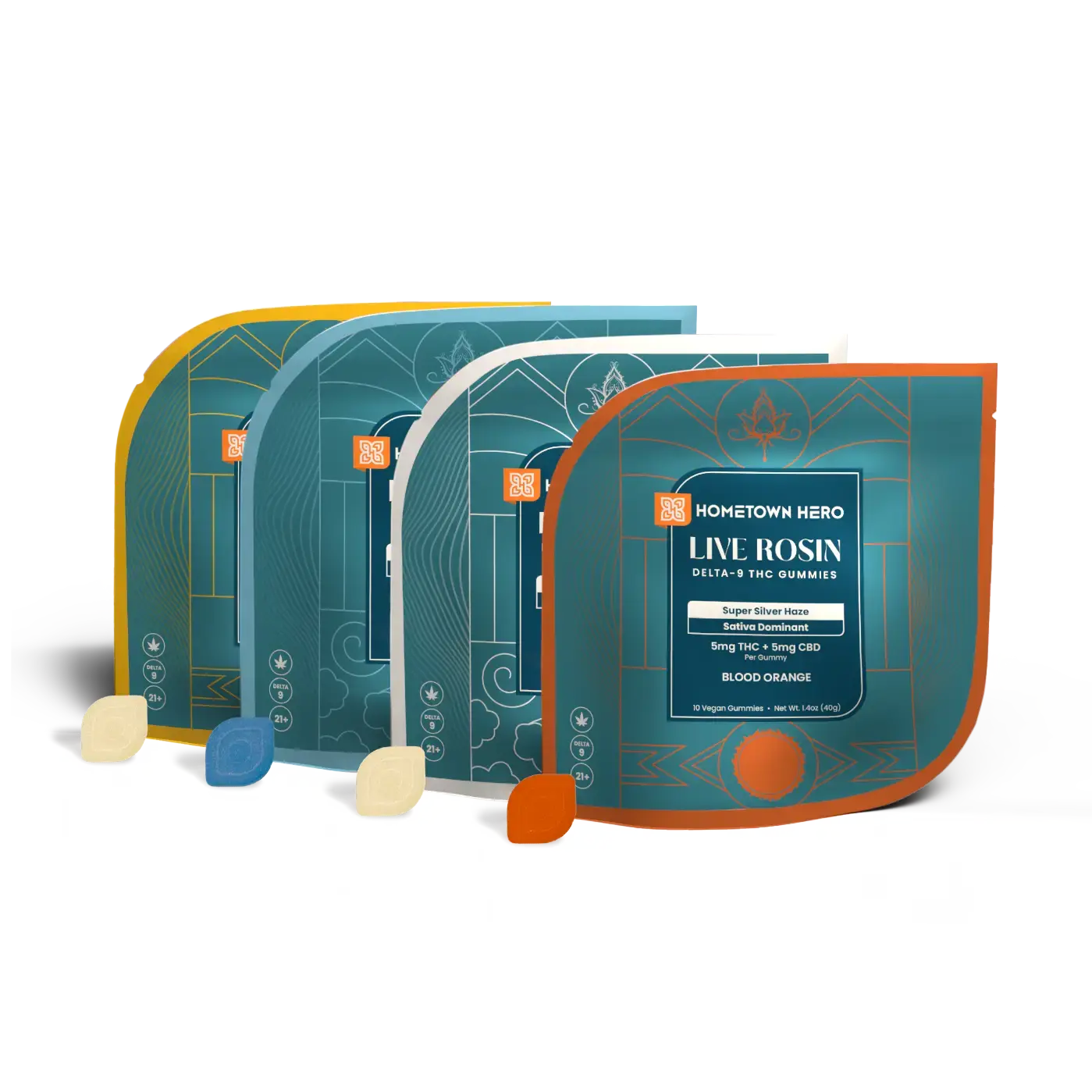
If you’ve been following us for a while, you can rest assured that you won’t encounter that many changes in our products. Since the beginning, we’ve been checking to ensure our customers are 21 and over, full-panel testing our products, and offering child-resistant packaging, all before this was required.
What it Means for Consumers Outside of Texas
Hemp enthusiasts outside of Texas may not directly “feel” the new DSHS changes, but you should definitely keep a tab on these rules because of the influence Texas has on other state regulations.
Because Texas is one of the largest hemp markets in the country, these regulatory changes are monitored by other state governments, which, in turn, can affect how they approach hemp regulation, influence broader industry standards, and shape national-level discussions.
So, in short, if you’re in a different state, you may feel the ripple effect of these initially or even see them adapted in your own state.
Conclusion
The new DSHS rules mark an important new chapter for the hemp industry in Texas.
And while the majority of these changes affect retailers and manufacturers, for consumers, these changes mean:
Age verification requirements
Packaging updates
Testing standards
Disappearance of THCA flower
And that’s about it (for now).
If you’re interested in keeping up with the latest Texas hemp industry news, subscribe to the Hometown Hero YouTube channel for access to the latest in-depth discussions and sign up for industry updates on the THBC website.
These statements have not been evaluated by the FDA and are not intended to diagnose, treat or cure any disease. Always check with your physician if you are taking prescription medication before starting a new dietary supplement.


.png?w=50&q=100)




 indica
 sativa